When heavy rains close schools, children lose more than lessons
The impact of prolonged rains in Malawi is being felt far beyond flooded roads and damaged homes. For some children, it also means losing access to school – and the daily meal that comes with it.

Malawi is once again grappling with the devastating impact of heavy rains that have swept across the country in recent weeks, leaving a trail of destruction, displacement, and disruption to critical services.
The Department of Climate Change and Meteorological Services first issued a heavy rainfall warning in mid-March, forecasting persistent rains across the southern, central and lakeshore regions. A few days later, the alert was escalated to a severe rainfall warning as sustained downpours were recorded across most parts of the country and are continuing into April.
Reports from local media indicate that the rains have affected many parts of the country, with Malawi’s southern region bearing the brunt. Districts such as Zomba, Chikwawa, Balaka, Mchinji, Salima, and Blantyre have experienced widespread flooding, leaving thousands of households affected, infrastructure severely damaged, vital crops destroyed, and entire communities cut off.
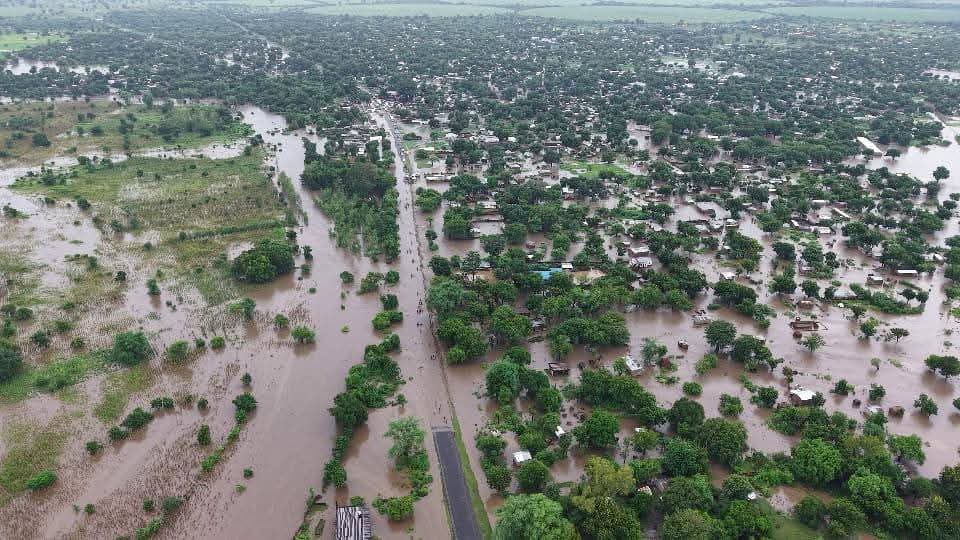
Schools have also been affected, with some forced to suspend classes as conditions worsen, interrupting both education and access to essential services. Many already fragile roads are now waterlogged or completely impassable because of mud.
Among the affected areas are communities where Mary’s Meals Malawi provides vital meals to children every school day. The ongoing rains not only present significant logistical challenges for the team but they are directly affecting the delivery of these daily meals.
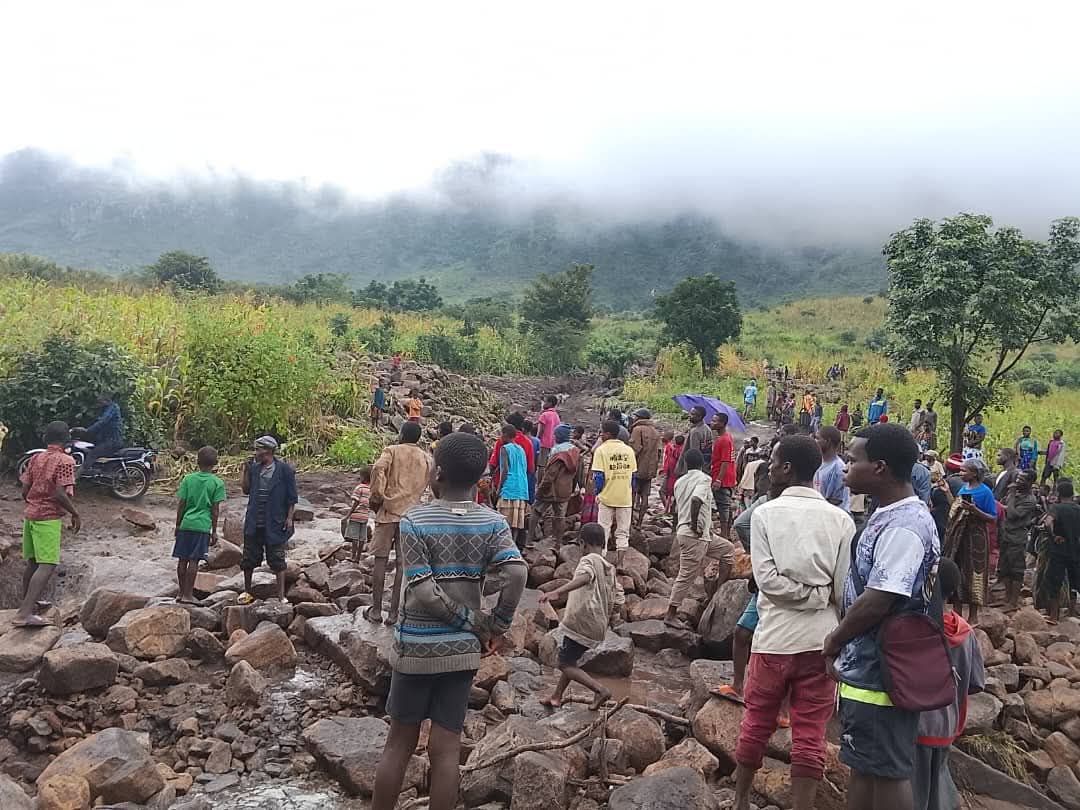
In Zomba, a mudslide from Ndangopuma Mountain destroyed part of a key access road, cutting off movement for nearby residents. Lydia Suwali, a Mary’s Meals Malawi School Feeding Officer for Zomba District says: “The mudslide happened about 500 metres from where I stay. It damaged the road I use.”
In Chikwawa District, one of the worst-affected areas in the Shire Valley, flooding has forced the temporary closure of Sekeni Primary School in Nchalo. As a result, children who are counting on their daily meal provided at school were left without this vital support.
Even in areas where schools remain open, access challenges are making the delivery of essential food items for the Mary’s Meals school feeding program increasingly difficult. In Blantyre Rural, roads became nearly impassable. When a Mary’s Meals Malawi School Feeding Officer was unable to deliver the corn and soya blend porridge to a particularly hard-to-reach school, members of the local community stepped in to help carry the supplies to the school.
Beyond the physical damage, the rains are intensifying humanitarian risks by disrupting livelihoods and heightening concerns over food insecurity and disease outbreaks. With many households in Malawi already vulnerable to hunger and poverty – there 6.8 million people in Malawi with insufficient food consumption – the loss of crops, restricted mobility, and damaged infrastructure place additional strain.
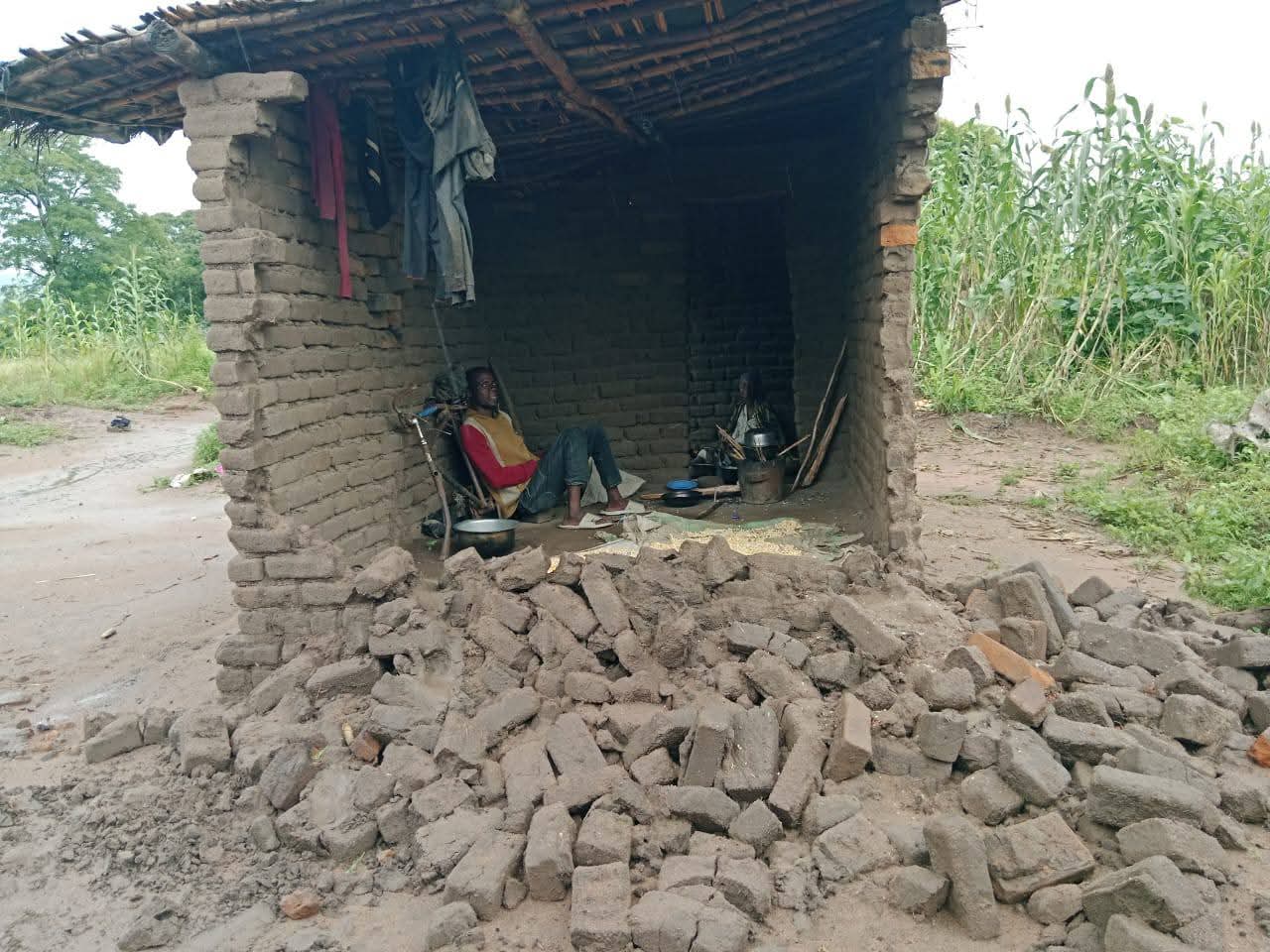
With heavy rains persisting, the situation remains uncertain. For Mary’s Meals Malawi, the priority is clear: to continue supporting children with daily school meals while adapting to rapidly changing conditions.
This latest disruption highlights a stark reality: when schools close, meals stop – and for many children, that meal is the reason they come to school in the first place. In communities already facing hardship, the combined effects of flooding, food insecurity, and interrupted education are deepening vulnerability.
Just $31.70 feeds a child for a whole school year.