Feeding children in one of the world’s most dangerous places
With roadblocks, kidnappings, and gang violence threatening everyday life, delivering school meals in Haiti has never been more challenging. Mary’s Meals and its partners use careful planning, constant communication, and safety monitoring to reach children with life-saving daily school meals.
Haiti is in the middle of an extreme humanitarian and human rights crisis. An escalation in gang violence has pushed Haiti into a new era of insecurity, where armed gangs now control the majority of the capital, Port-au-Prince. This violence has now spread to other regions of the country, impacting the delivery of Mary’s Meals’ school feeding program and disrupting the education of the children we serve.
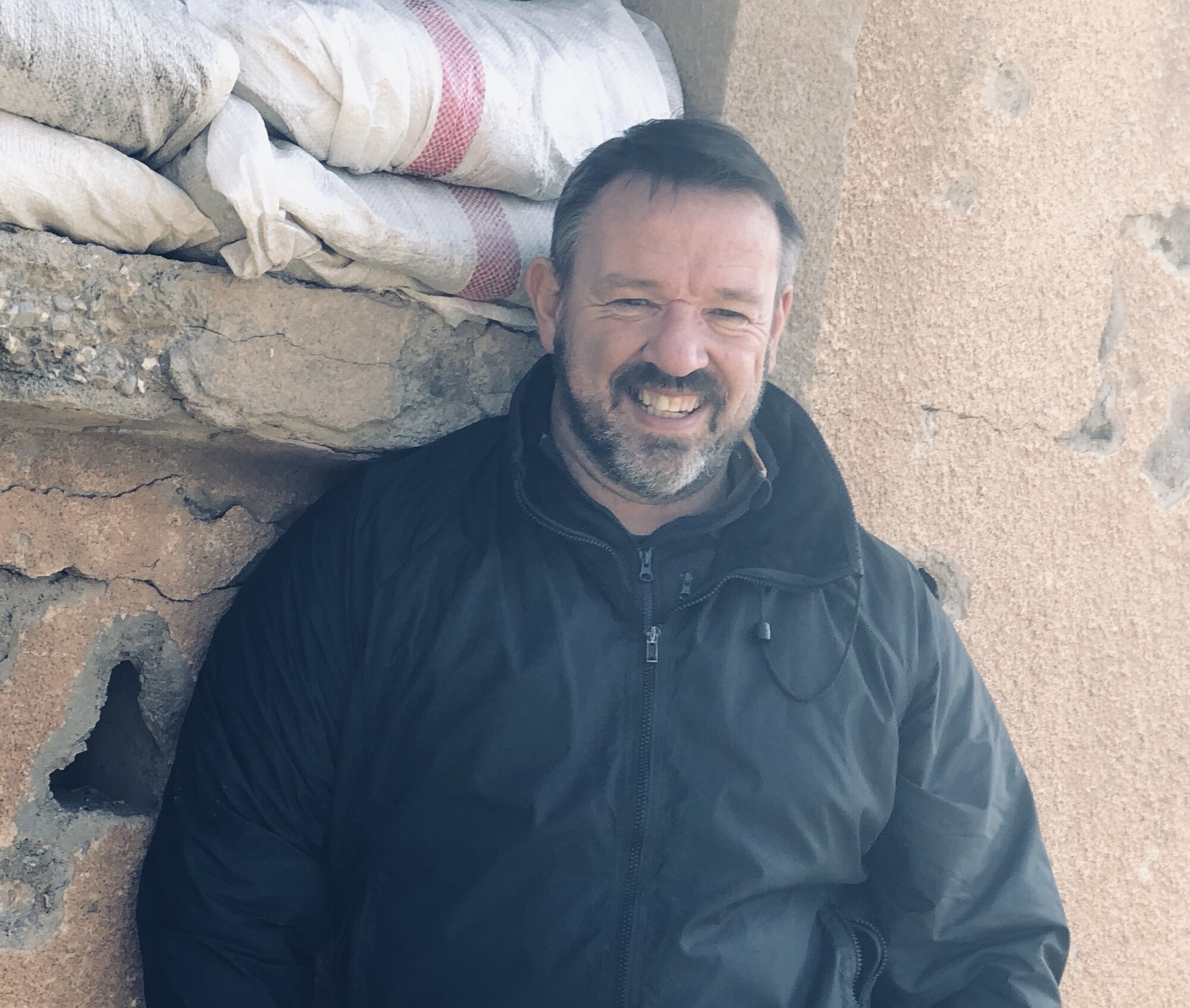 In this interview, we talk to Philip Forsyth, Head of Global Security at Mary's Meals, about the risks posed by the current security situation in Haiti and how we work with our partners to successfully deliver daily school meals to more than 196,000 children across the country.
Could you describe the current security situation in Haiti?
Phillip Forsyth: Haiti is experiencing what can only be described as systematic insecurity. Armed gangs now control most of Port-au-Prince and key national roads, which means insecurity and violence affects the daily lives of most Haitians. It’s not just restricted to isolated areas. For families, this impacts how they move, how they work, and even how send their children to school.
What are the main risks to our school feeding program and how does this impact the delivery of Mary's Meals to the children and communities we serve?
One of the biggest daily challenges and risks is movement. Major roads are blocked or controlled by armed groups Feeding children in one of the world’s most dangerous places using informal checkpoints, and people often can't tell whether the checkpoint is the police or a gang. This is extremely dangerous and creates a lot of uncertainty. Something as simple as travelling to buy food or reach school has become life threatening for many Haitians.
There's also a lot of kidnapping and intimidation taking place, and it’s pretty systematic rather than just isolated cases. They happen on a daily basis and are increasingly targeting ordinary civilians – parents, drivers, and local aid workers from the communities that are affected.
This means that families really have to plan their day around the risk of when they can leave home, when they can return, and whether it's safe to go out at all. And it also impacts our three partners – Caritas Hinche, Summits Education, and BND – who must decide when they can safely send staff out to operate our school feeding program.
How is Mary's Meals working with its partners to mitigate these risks and successfully deliver the meals to the children we serve?
The first thing to say is that we have great communication. Our partners are absolutely excellent at letting us know what those challenges are and how those challenges are evolving. And then as a team, we look at this context and environment so that we can inform our program staff about these challenges.
Together with our partners we've developed a solid understanding of the areas we are able access. Where we don’t have access and we can no longer viably reach those schools at this moment in time, we term these “red areas”. Then there are areas where we may not have access, but we expect to get access back because of the ebb and flow in terms of the areas the gangs hold or as the security forces retake certain areas. We refer to these as “amber areas”. We don't necessarily have access all the time, but we perceive that we're going to get access in the near future.
Then there are “green areas” where we can continue feeding on a safe basis, but which our partners are continuing to monitor to ensure we can maintain access to deliver school feeding safely.
Mary's Meals has been supporting children in Haiti since 2006. With the current security situation in mind, what is the future of our school feeding program in Haiti?
Currently, nothing is dramatically going to change. There will be some ebb and flow in terms of the areas the gangs control and don’t control. But the security operation in Haiti, which is supported by the Haitian authorities and other international actors, really needs a boost if it's going to push back the gangs and give us access to the communities that we currently don’t have access to. Improvements to security will certainly take time.
But despite these extraordinary challenges and the uncertainty, our school feeding program will definitely persevere, as humanitarian needs can’t wait for stability. Our local partners continue to reach the children we serve with a daily meal, ensuring that they don't pay the price for the current crisis in Haiti.
Philip Forsyth is Head of Global Security at Mary's Meals. Phillip’s role is to protect our people, our integrity, and our operations to help Mary’s Meals reach the next child waiting for a life-changing daily meal.
Just $31.70 feeds a child for a whole school year.